

Ocean Winds
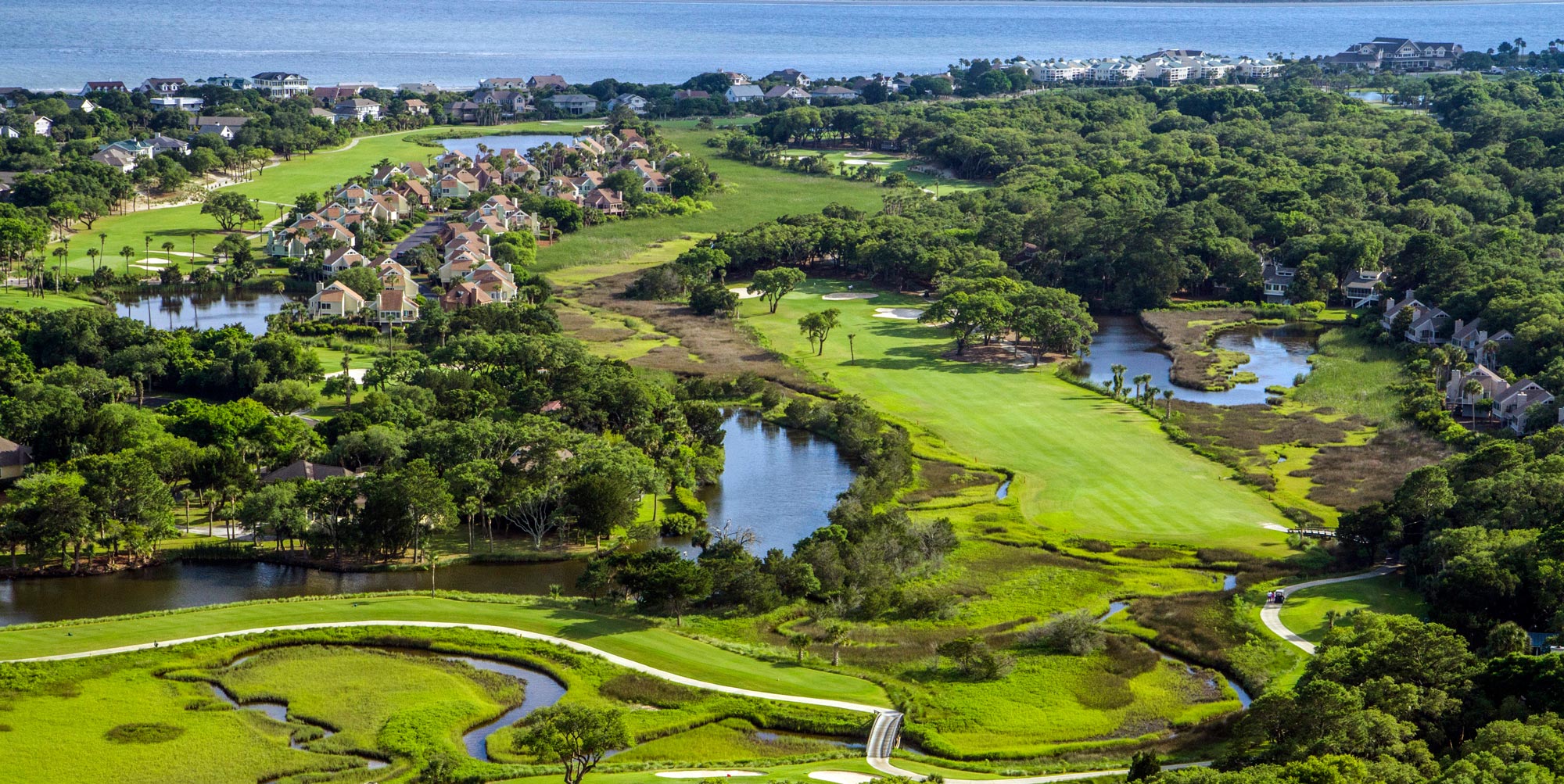
The Ocean Winds course, designed by Willard Byrd, is a 6,802-yard, par 72 course that takes you to the Atlantic Ocean where swirling breezes provide a challenging test of ability. A recent renovation by Rees Jones, Inc. now makes this course even more incredible.
Holes: 18 | Par: 72 | Rating: 74.1 | Slope: 144 | Yardage: 6,802
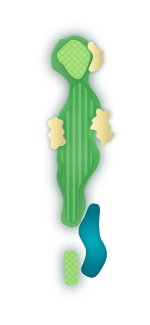
Atypical of most opening holes, the first of Ocean Winds requires a decision to be made off the tee. A medium length par 4 with a tight landing area, the bunker and large live oak guarding the left side of this dogleg left take cutting the corner with a driver out of the equation for most. Out of bounds to the right and on the far side of the fairway make one cautious about being overly aggressive, but a conservative play will leave a long approach to a well guarded green.
-
Hawk
401 Yds -
Mallard
375 Yds -
Osprey
360 Yds -
Egret
342 Yds -
Finch
310 Yds -
Heron
297 Yds
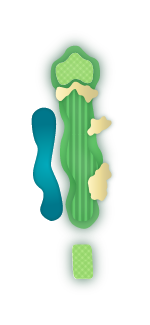
Staying farther left than right is the play, though the view from the tee may tell a different story. Bunkers and overhanging tree limbs down the right side of the fairway are cause for concern from the tee. Experienced players take a route left to left-center off the tee and allow the slope of the fairway to add more yards to their drive. From there, it’s clear this hole is more about the approach than the drive, as this wide but shallow green is guarded in front by a large bunker.
-
Hawk
389 Yds -
Mallard
365 Yds -
Osprey
345 Yds -
Egret
330 Yds -
Finch
315 Yds -
Heron
272 Yds
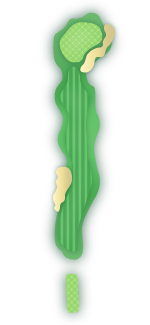
Snaking its way through strands of palmettos and live oaks, the first par 5 of the day puts a premium on accuracy, especially off of the tee. One may be more aggressive with the second shot, but to err right could prove to be tragic, as large trees and bunkering on the right side of the green make a wedge to the green from this angle very difficult. Staying a wee left with the second makes for an open wedge shot to a green that slopes directly toward the player.
-
Hawk
534 Yds -
Mallard
520 Yds -
Osprey
499 Yds -
Egret
486 Yds -
Finch
431 Yds -
Heron
401 Yds
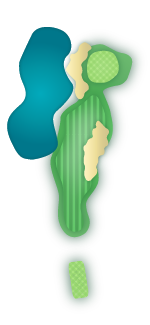
Well known for the rookery in the lake that follows the hole down the left, the right fairway bunker challenges the player to make a decision regarding how aggressive they want to be. A shot the finds the fairway bunker is nearly a full stroke penalty, as advancing the ball forward is difficult with many palmettos found between the player and the green.
-
Hawk
443 Yds -
Mallard
395 Yds -
Osprey
375 Yds -
Egret
363 Yds -
Finch
321 Yds -
Heron
292 Yds

The obvious challenge to the opening par 3 is the water and the bunkers that surround the large green. That’s really all that can be said. Good luck.
-
Hawk
194 Yds -
Mallard
173 Yds -
Osprey
155 Yds -
Egret
140 Yds -
Finch
123 Yds -
Heron
90 Yds
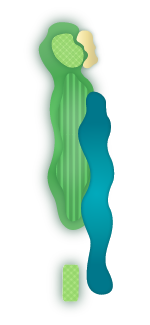
One of the widest fairways on the course, the sixth is a par 5 with a slight bend at the closing one hundred yards of the hole. As with many par 5’s the second shot is the key. If played too far left, a live oak will block a short iron or wedge approach, while a shot down the right offers the best angle to attack the pin, though a small bunker guards the corner about 100 yards short of the green.
-
Hawk
522 Yds -
Mallard
510 Yds -
Osprey
484 Yds -
Egret
470 Yds -
Finch
425 Yds -
Heron
384 Yds
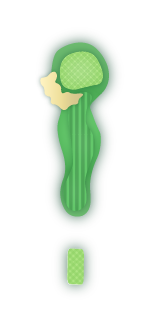
This dogleg right par 4 requires a tee shot to the left of the tall live oak. The approach is to a large green that is receptive to most any iron.
-
Hawk
381 Yds -
Mallard
370 Yds -
Osprey
353 Yds -
Egret
333 Yds -
Finch
314 Yds -
Heron
278 Yds
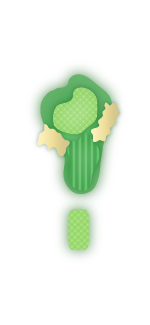
You’ll feel the ocean breezes on the long par 3 eighth, as the closing two holes on the front nine head directly back toward the ocean. The green is narrow and trouble is found on three sides. Playing short and left and allowing your short game to make your par is the wise strategy.
-
Hawk
195 Yds -
Mallard
183 Yds -
Osprey
167 Yds -
Egret
160 Yds -
Finch
140 Yds -
Heron
107 Yds
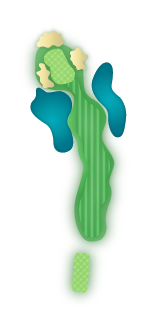
Don’t judge the ninth solely by the openness and the yardage. You’ll find a headwind the vast majority of the time that is more than willing to help your mid/long iron approach find the water on the left or right. Choose your approach club carefully, as the green quickly slopes away from the player and feeds a narrow bunker behind the green that is hidden from the fairway.
-
Hawk
418 Yds -
Mallard
409 Yds -
Osprey
391 Yds -
Egret
383 Yds -
Finch
319 Yds -
Heron
282 Yds
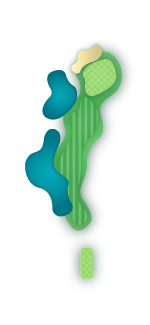
The tenth turns hard to the right and follows the dunes down to the green. An agressive tee shot can find the water at the end of the fairway, forcing the player to consider a shorter club. The approach should be played below the hole, leaving an uphill putt. Above the hole, combined with the sea breezes can result in a challenging two putt.
-
Hawk
394 Yds -
Mallard
379 Yds -
Osprey
347 Yds -
Egret
333 Yds -
Finch
312 Yds -
Heron
284 Yds
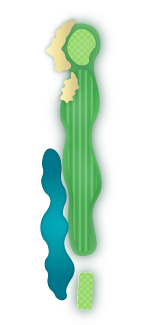
A straightforward par 5 the eleventh appears, at first glance, to be gracious with a relatively wide fairway from tee to green, however the fairway narrows as you near the back to front sloping green.
-
Hawk
529 Yds -
Mallard
523 Yds -
Osprey
505 Yds -
Egret
473 Yds -
Finch
435 Yds -
Heron
388 Yds

A severely sloping green, back to front and right to left, guarded by a large bunker leads one to consider laying up on a par 3. However, if confident in club selection and able to carry the greenside trap, the green is receptive and funnels many shots toward the more popular pin placements.
-
Hawk
195 Yds -
Mallard
175 Yds -
Osprey
158 Yds -
Egret
148 Yds -
Finch
125 Yds -
Heron
100 Yds
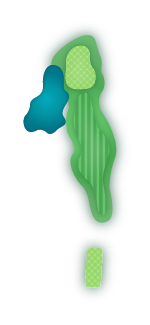
Heading out to sea, the view from the thirteenth tee box can be misleading. Two dunes give an illusion of a narrow path of fairway that gently climbs uphill toward the green. However, just beyond the right dune the fairway quickly widens offering a wider than expected landing area, contrary to the left, which does not widen at all.
-
Hawk
375 Yds -
Mallard
363 Yds -
Osprey
343 Yds -
Egret
335 Yds -
Finch
320 Yds -
Heron
273 Yds
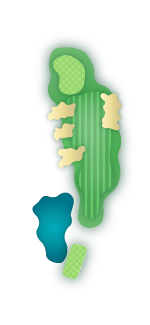
A short par 4, greedy players looking to prove their mettle may elect a driver off the tee, leaving them a short wedge to a small, severely sloping, well-guarded green. However, bunkers on the left and hazard and out of bounds on the right call for a very accurate tee shot, thus prompting consideration of a fairway wood, rescue club or even long iron.
-
Hawk
352 Yds -
Mallard
346 Yds -
Osprey
329 Yds -
Egret
318 Yds -
Finch
281 Yds -
Heron
228 Yds

The signature hole of Ocean Winds, this par 3 offers spectacular views of the marshland that makes golf and life on Seabrook so special. A picturesque live oak on the right may cause the eye and alignment to err slightly more left, but accuracy of all kinds is key to hit this small, well protected, intimidating target.
-
Hawk
181 Yds -
Mallard
165 Yds -
Osprey
145 Yds -
Egret
117 Yds -
Finch
90 Yds -
Heron
80 Yds
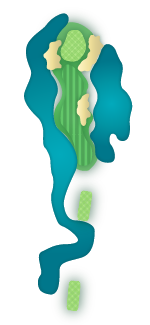
The landing area of the drive is crowned, though you may not notice it. Built across a marsh, the short par 5 sixteenth hosts a fairway that is deceivingly difficult to hit and hold as balls hit slightly left or right will tumble unforgivingly toward the protected natural areas that bookend the fairway. Long hitters may be able to carry much of the crowned traditional landing area, but the landing area of the second shot is narrow. A short iron to a beautifully shaded green completes the challenge.
-
Hawk
492 Yds -
Mallard
466 Yds -
Osprey
446 Yds -
Egret
433 Yds -
Finch
397 Yds -
Heron
343 Yds
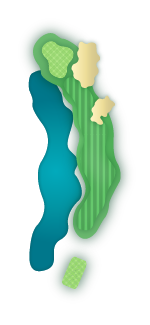
This double dogleg par 4 is considered to be the most challenging of all 36 on Seabrook Island. Requiring a fairway wood or rescue club off the tee, the same club may have to be considered on the second. Cutting the left corner from the tee is an option, but the carry to a sliver of fairway is nearly 100% over protected wetlands. The second shot will be long and to a well bunkered green that slopes severely from back to front.
-
Hawk
396 Yds -
Mallard
380 Yds -
Osprey
365 Yds -
Egret
357 Yds -
Finch
325 Yds -
Heron
298 Yds
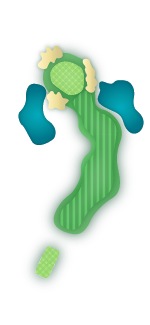
The finale to the adventure on Ocean Winds is a sharp dogleg left par 4 with a pond providing protection from any aggressors who attempt to shave yards off of their approach with an aggressive line to the left. The second is to a small green with a small bailout area, long and left, but little margin for error is given on the right.
-
Hawk
411 Yds -
Mallard
390 Yds -
Osprey
369 Yds -
Egret
348 Yds -
Finch
319 Yds -
Heron
277 Yds
1 | 2 | 3 | 4 | 5 | 6 | 7 | 8 | 9 | 10 | 11 | 12 | 13 | 14 | 15 | 16 | 17 | 18 |
| Hole Numbers | 1 | 2 | 3 | 4 | 5 | 6 | 7 | 8 | 9 | 10 | 11 | 12 | 13 | 14 | 15 | 16 | 17 | 18 | Totals |
| Hawk | 401 | 389 | 534 | 443 | 194 | 522 | 381 | 195 | 418 | 394 | 529 | 195 | 375 | 352 | 181 | 492 | 396 | 411 | 6802 |
| Mallard | 375 | 365 | 520 | 395 | 173 | 510 | 370 | 183 | 409 | 379 | 523 | 175 | 363 | 346 | 165 | 466 | 380 | 390 | 6487 |
| Osprey | 360 | 345 | 499 | 375 | 155 | 484 | 353 | 167 | 391 | 347 | 505 | 158 | 343 | 329 | 145 | 446 | 365 | 369 | 6136 |
| Egret | 342 | 330 | 486 | 363 | 140 | 470 | 333 | 160 | 383 | 333 | 473 | 148 | 335 | 318 | 117 | 433 | 357 | 348 | 5869 |
| Finch | 310 | 315 | 431 | 321 | 123 | 425 | 314 | 140 | 319 | 312 | 435 | 125 | 320 | 281 | 90 | 397 | 325 | 319 | 5302 |
| Heron | 297 | 272 | 401 | 292 | 90 | 384 | 278 | 107 | 282 | 284 | 388 | 100 | 273 | 228 | 80 | 343 | 298 | 277 | 4674 |
| Par | 4 | 4 | 5 | 4 | 3 | 5 | 4 | 3 | 4 | 4 | 5 | 3 | 4 | 4 | 3 | 5 | 4 | 4 | 72 |
Instruction
Our recently renovated state-of-the-art practice facility includes a 40,000 sq. ft. practice tee, an adjacent fairway bunker, 5 target greens, 2 large putting greens totaling over 18,000 sq. ft., and a separate short game area with 3 bunkers, a short fairway and a 3,000 sq. ft. green. Private and group instruction and tournament coordination are also available from our PGA professionals.

Golf Groups & Outings
The Seabrook Island Club offers several organized golf groups which are available to all members, and hosts several fundraising charity events throughout the year.

Contact the Golf Pro Shop
Open daily, 7 AM – 6 PM
Guests can schedule tee times up to 3 days in advance. Rental rates begin at noon daily.